This is part 4 of a five-part series exploring how DeepIntent Helix® sharpens and accelerates the full marketing lifecycle. Previous installments covered DeepIntent Helix for Commercial Insights, for Strategy & Planning, and for Audiences.
The three installments before this one covered the work that happens before launch: finding the commercial opportunity, planning against it, then building an audience with a clinical specificity no one-size-fits-all segment can match. Activation is where that specificity has to hold. It's also where it tends to leak, as strategies can reach the activation team three handoffs removed from the thinking behind them. Plus, identity often isn’t truly scalable on every platform, limiting reach and high-value engagement across channels.
This installment is about seamless workflows. DeepIntent Helix™ connects strategy to activation through built-in integrations across programmatic, non-programmatic, and next-best-action channels, under the same privacy framework the audience was created in.
Settle the spend before launch
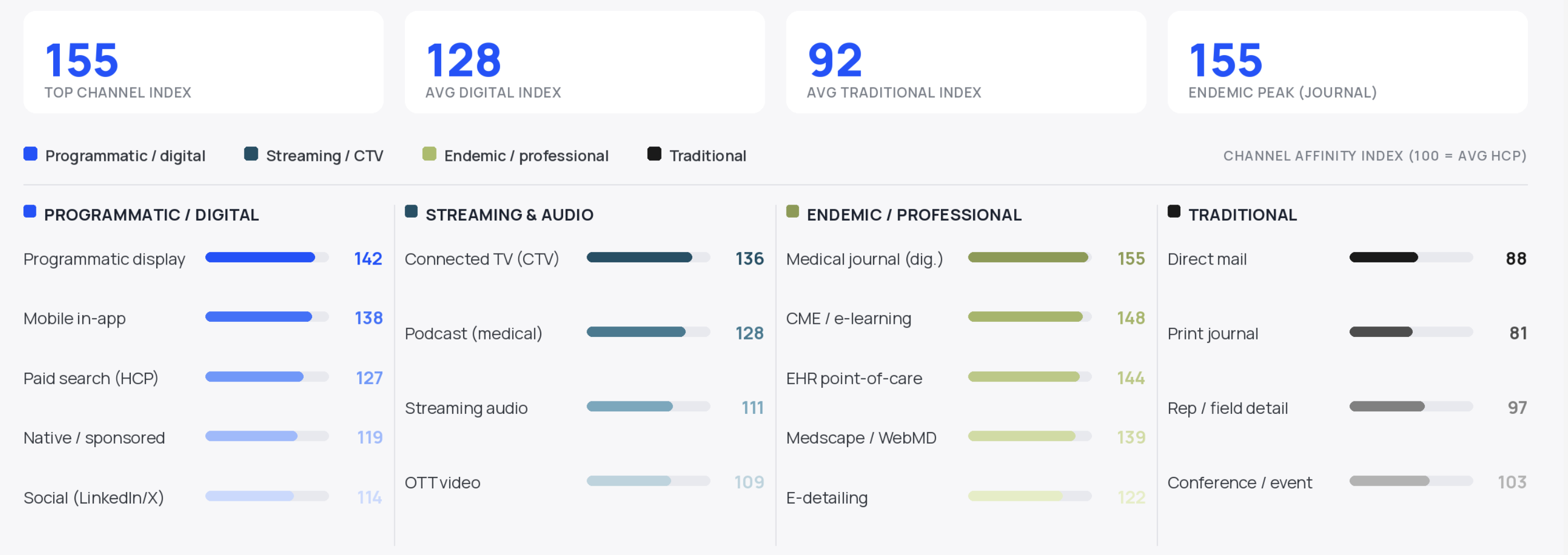
One decision has to be made before anything goes live: where the money goes. Because Helix links media and identity data to claims and consumer data, agencies can read channel affinity for the specific audience they just built rather than for HCPs in general.
That signal is a planning input, and at activation it becomes a spend decision with a number attached, which is what converts smarter allocation into measurable ROI (and what makes a budget shift defensible to a client).
Push straight to the DSP
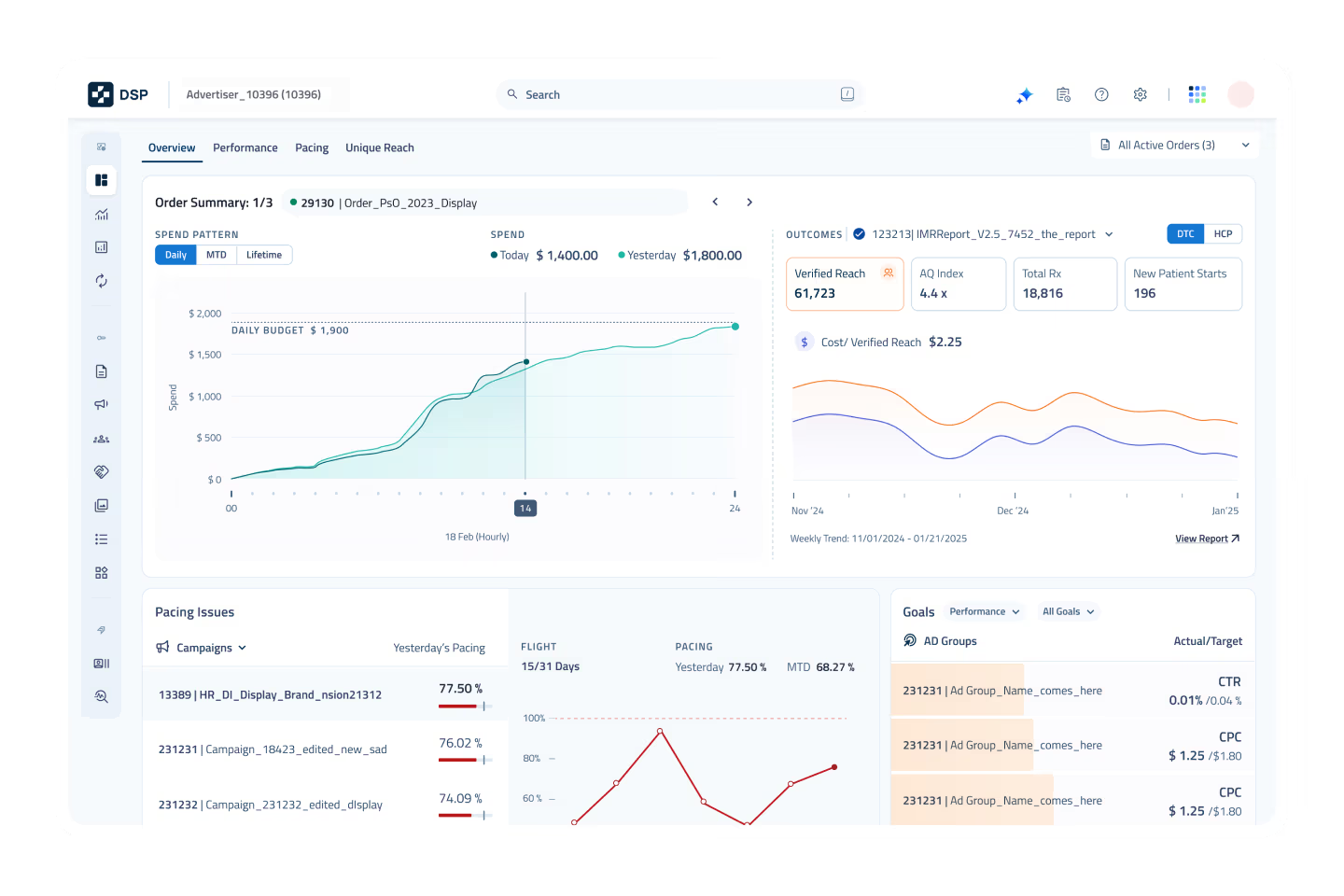
Audiences and strategies built in DeepIntent Helix export directly into the DeepIntent DSP for activation across display, video, native, CTV, audio, EHR, and DOOH.
The practical difference is what stops happening. No lag while an audience is onboarded and matched. No data loss between systems. No game of telephone between the data scientist who built the segment, the planner who scoped it, and the trader who has to make it live. Every audience is already tied to DeepIntent's identity graph, covering 3.7M+ HCPs and 250M+ de-identified health consumers, so the match happens where the audience is built.
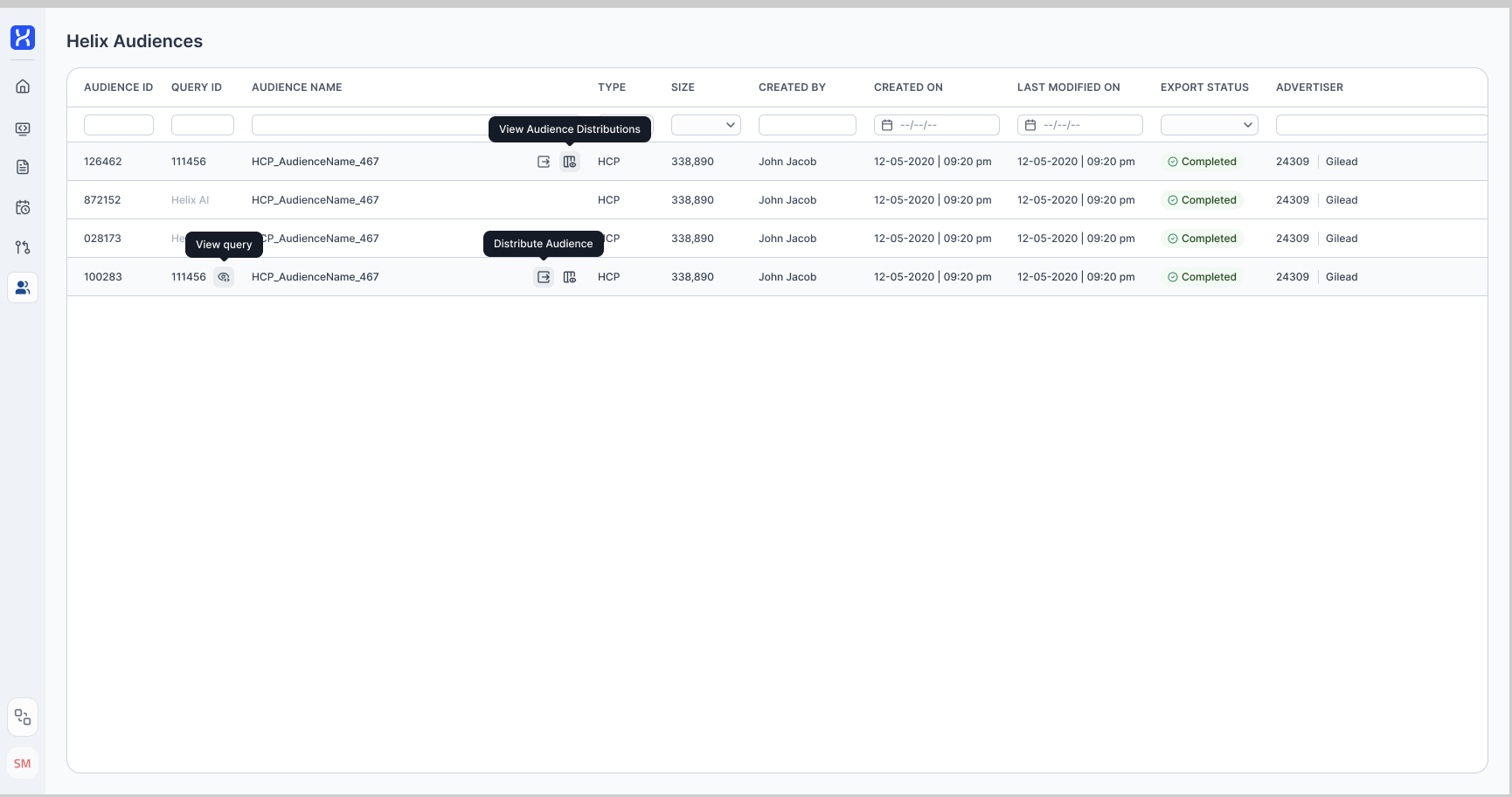
One audience, every destination
Social has its own version of this problem. Strategists have historically worked from their own audience definitions in their own tools, which is how a brand ends up running two campaigns against two different versions of the same target.
Through onboarding partners like LiveRamp, DeepIntent Helix distributes the same audience to social destinations like Meta, TikTok, LinkedIn, and Reddit. One audience, built once, activated wherever the strategy calls for it.
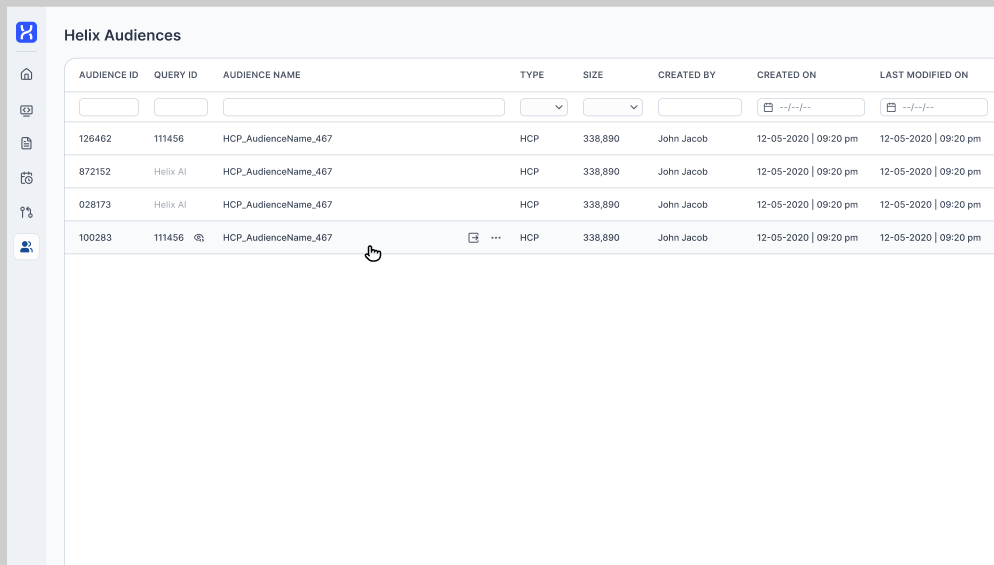
That consistency is what makes omnichannel more than a media plan with several line items. When the audience running on display is the same audience running on social, you’re reaching that audience across an important breadth of their media touchpoints
The decision layer, not another destination
Helix is channel- and partner-agnostic by design. It sits as the decision layer of the marketing stack. Agencies analyze, build, and plan in one environment, then activate wherever the plan points.
The time savings are real. The larger value is that insights, strategy, and execution can act as one. The insight that justified the plan is still driving the live campaign, which is what lets an agency stand behind a recommendation after launch.
Next in the series: Helix for Reporting & Analytics, the fifth and final installment, on turning campaign performance into proprietary client intelligence. Catch up on Commercial Insights, Strategy & Planning, and Audiences. Ready to see what DeepIntent Helix can do for your next campaign? Learn more here.